How To Grow
Title: How to Grow
Introduction:
Have you ever wondered how to grow? Whether you're looking to grow taller, grow your business, or grow your knowledge, there are a few things you can do to help you achieve your goals.
In this blog post, we will discuss some of the most effective ways to grow. We will cover topics such as nutrition, exercise, sleep, and mindset. We will also provide tips on how to stay motivated and on track.
By following the tips in this blog post, you can set yourself up for success in whatever you choose to grow.
Main Content:
Nutrition:
Eating a healthy diet is essential for growth. Your body needs the right nutrients to build and repair cells, and to produce hormones that promote growth.
Some of the most important nutrients for growth include:
- Protein: Protein is essential for building and repairing tissues. Good sources of protein include meat, poultry, fish, eggs, dairy products, and beans.
- Calcium: Calcium is important for building strong bones and teeth. Good sources of calcium include dairy products, leafy green vegetables, and fortified foods.
- Vitamin D: Vitamin D helps the body absorb calcium. Good sources of vitamin D include sunlight, fatty fish, and fortified foods.
- Zinc: Zinc is important for cell growth and repair. Good sources of zinc include meat, poultry, seafood, beans, and nuts.
Exercise:
Exercise is another important factor for growth. Exercise helps to stimulate the production of growth hormones, and it also helps to build strong bones and muscles.
The best types of exercise for growth include:
- Weight lifting: Weight lifting helps to build muscle mass.
- Jumping: Jumping helps to stimulate the production of growth hormones.
- Stretching: Stretching helps to improve flexibility and range of motion.
Sleep:
Sleep is essential for growth. During sleep, your body releases growth hormones that help to repair tissues and promote growth.
Most teenagers need around 8-10 hours of sleep per night. However, some people may need more or less sleep.
Mindset:
Your mindset also plays a role in your growth. If you believe that you can grow, you are more likely to put in the effort to make it happen.
Having a positive attitude and a growth mindset will help you to stay motivated and on track.
Conclusion:
Following the tips in this blog post can help you to grow in both physical and mental ways. By eating a healthy diet, exercising regularly, getting enough sleep, and having a positive attitude, you can set yourself up for success in whatever you choose to do.
Yellow zucchini plants are a delicious and easy-to-grow addition to any garden. They are packed with nutrients, and their bright yellow color makes them a beautiful addition to any dish. If you are interested in learning more about yellow zucchini plants, I encourage you to visit Home Gardening.
Home Gardening is a comprehensive resource for all things zucchini, including information on planting, growing, and harvesting. You can also find recipes, gardening tips, and more.
I hope you will visit Home Gardening today and learn more about yellow zucchini plants.
FAQ of yellow zucchini plant
- Why are my zucchini leaves turning yellow?
There are a few possible reasons why your zucchini leaves might be turning yellow. Here are some of the most common causes:
* Underwatering: Zucchini plants need consistent moisture in order to thrive. If your plants are not getting enough water, their leaves will start to turn yellow.
* Overwatering: Zucchini plants are also susceptible to overwatering. If your plants are sitting in waterlogged soil, their roots will rot and the leaves will turn yellow.
* Nutrient deficiency: Zucchini plants need a number of nutrients in order to grow healthy leaves. If your plants are not getting enough of one or more nutrients, their leaves may turn yellow.
* Pests or diseases: Zucchini plants can be susceptible to a number of pests and diseases, which can cause their leaves to turn yellow. If you suspect that your plants may be infected with a pest or disease, it is important to identify the problem and take steps to treat it.
- How can I fix a yellow zucchini plant?
Once you have identified the cause of your zucchini plant's yellow leaves, you can take steps to fix the problem. Here are some tips:
* Water your plants regularly. Zucchini plants need about 1 inch of water per week. Water deeply so that the water reaches the roots.
* Avoid overwatering. Waterlogged soil can cause root rot, which will kill your plants. If you are unsure whether or not your plants are getting too much water, err on the side of caution and water less often.
* Fertilize your plants. Zucchini plants need a balanced fertilizer, such as a 10-10-10 fertilizer. Fertilize your plants every 2-4 weeks during the growing season.
* Inspect your plants for pests and diseases. If you see any pests or diseases on your plants, take steps to treat them immediately.
- When should I harvest yellow zucchini?
Yellow zucchini is typically ready to harvest when it is about 6-8 inches long. The skin should be smooth and firm, and the flesh should be bright yellow. If the zucchini is too large, it will be tough and watery.
- How do I store yellow zucchini?
Yellow zucchini can be stored in the refrigerator for about 3-5 days. To extend the shelf life, you can also freeze zucchini. Cut the zucchini into cubes or slices, blanch for 3-5 minutes, and then freeze in an airtight container. Frozen zucchini will last for about 3 months.
Image of yellow zucchini plant
10 free images of yellow zucchini plants:
- A yellow zucchini plant with several large, yellow zucchinis growing on it. The plant is in a garden bed and is surrounded by other vegetables.

- A close-up of a yellow zucchini plant with a single, yellow zucchini growing on it. The zucchini is about the size of a softball.
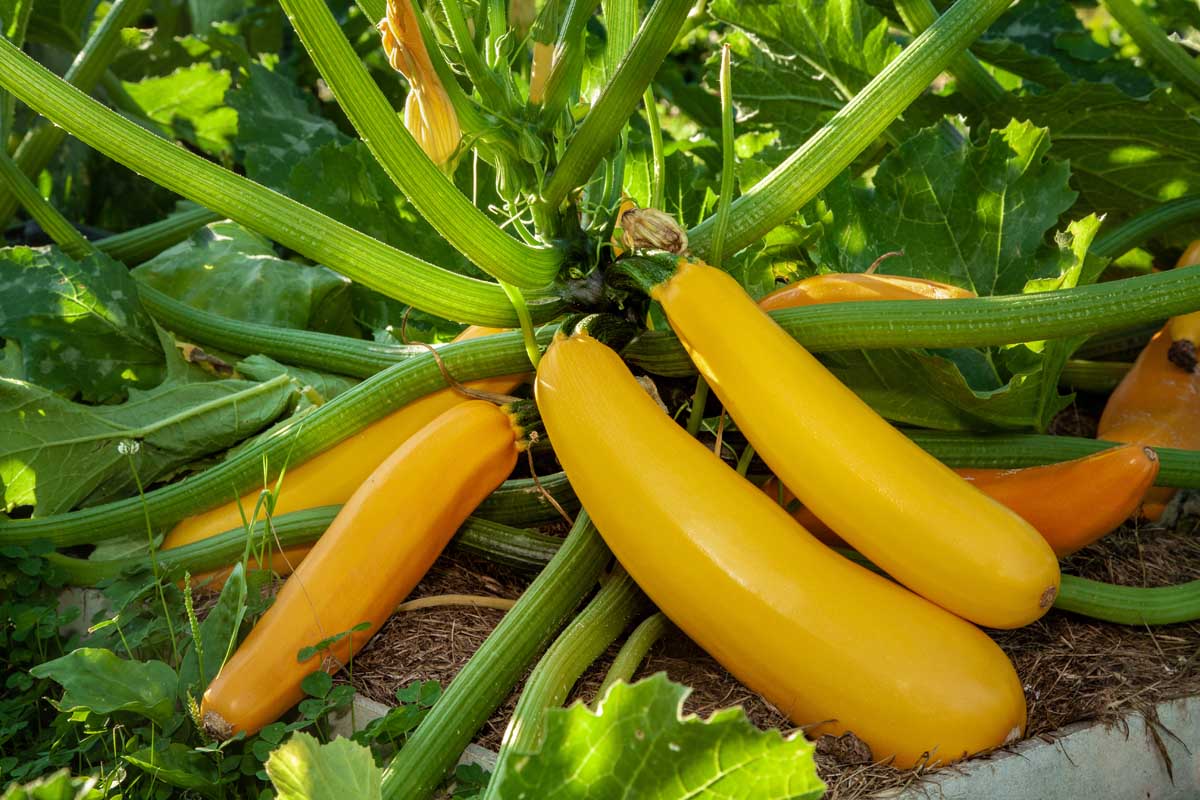
- A yellow zucchini plant with several small, yellow zucchinis growing on it. The zucchinis are about the size of golf balls.

- A yellow zucchini plant with flowers blooming on it. The flowers are a bright yellow color.
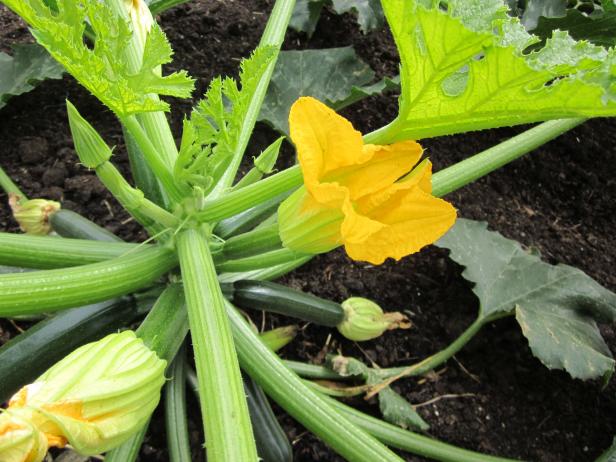
- A yellow zucchini plant with leaves that are a dark green color. The leaves are slightly curled.

- A yellow zucchini plant with vines that are growing along the ground. The vines are covered in small thorns.
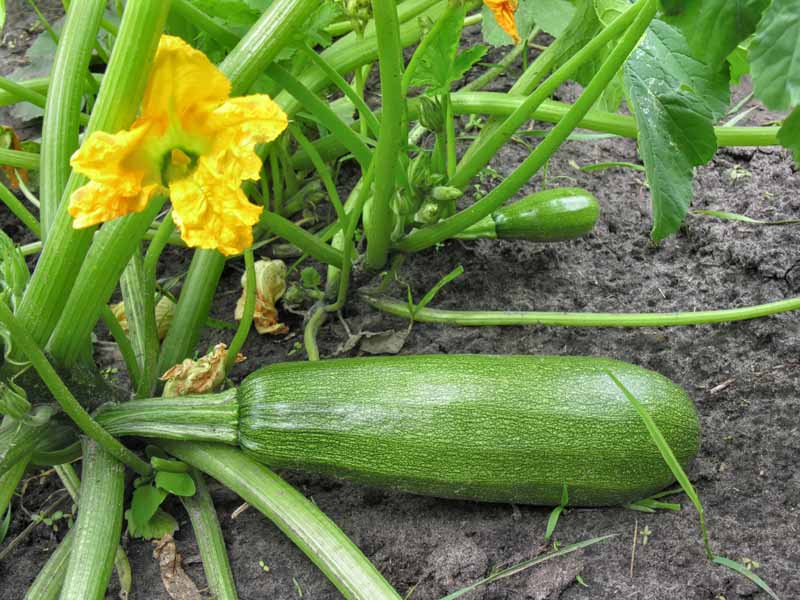
- A yellow zucchini plant with a few yellow zucchinis growing on it. The plant is in a pot on a patio.
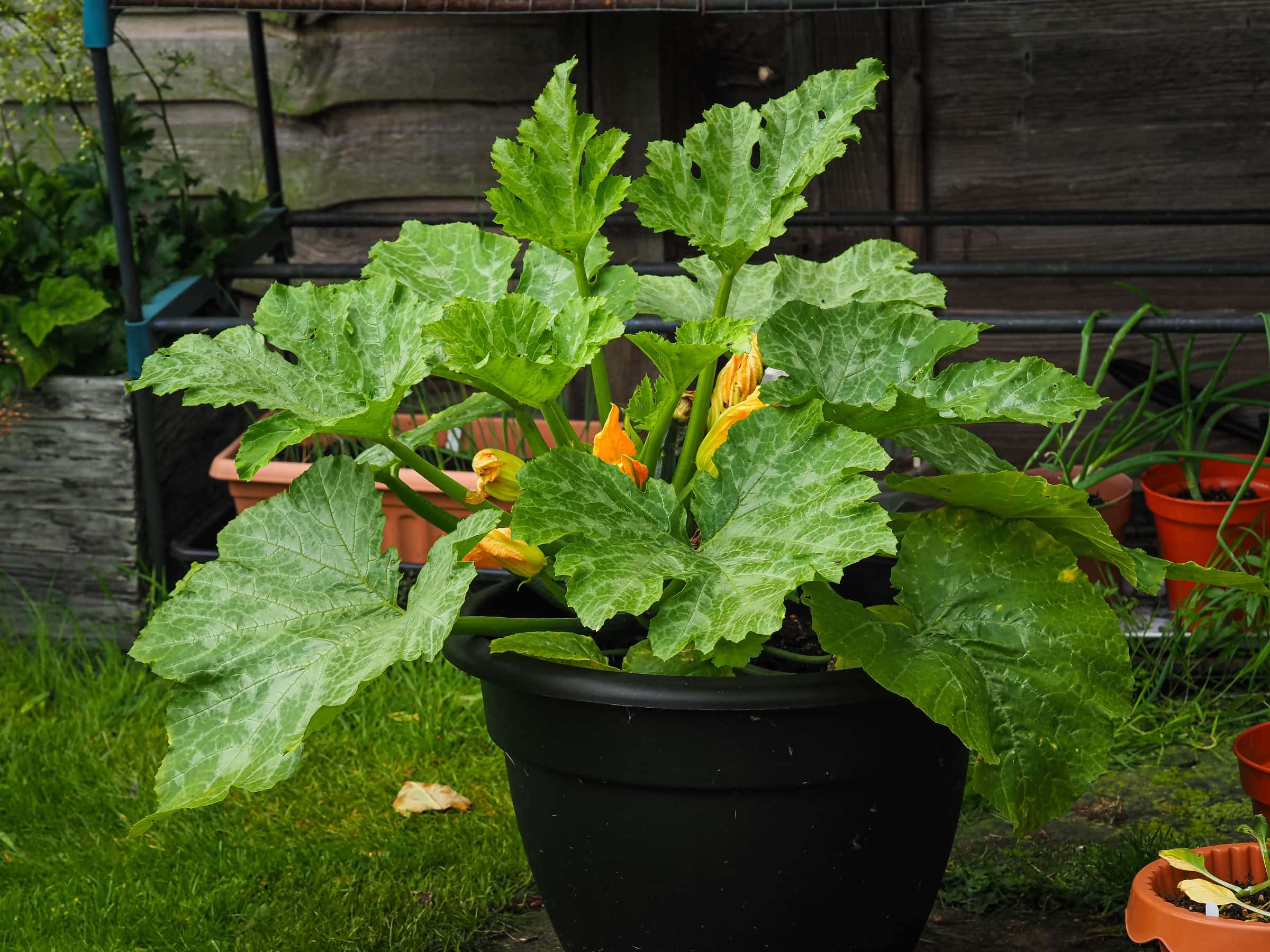
- A yellow zucchini plant with a single, yellow zucchini growing on it. The zucchini is resting on a piece of wood.

- A yellow zucchini plant with several yellow zucchinis growing on it. The zucchinis are arranged in a circle around the plant.
- A yellow zucchini plant with a large, yellow zucchini growing on it. The zucchini is being held by a person.


Post a Comment for "How To Grow"